Truck Restraint
Automatic Truck Restraint for Safe Loading and Unloading Operations
Why an Automatic Truck Restraint Is Indispensable
During loading and unloading of trucks at the dock, unintentional vehicle movement represents one of the most significant hazards—with potentially severe consequences for personnel, goods, and infrastructure. Even minor inaccuracies in positioning, insufficiently engaged parking brakes, or slight gradients can be enough to trigger critical incidents. To systematically and reliably eliminate this risk, automatic truck restraints have become a cornerstone of modern loading safety: they actively, measurably, and repeatably secure the vehicle—directly at the wheel—and form the technical foundation for a fail-safe loading process.
How Does an Automatic Truck Restraint Work?
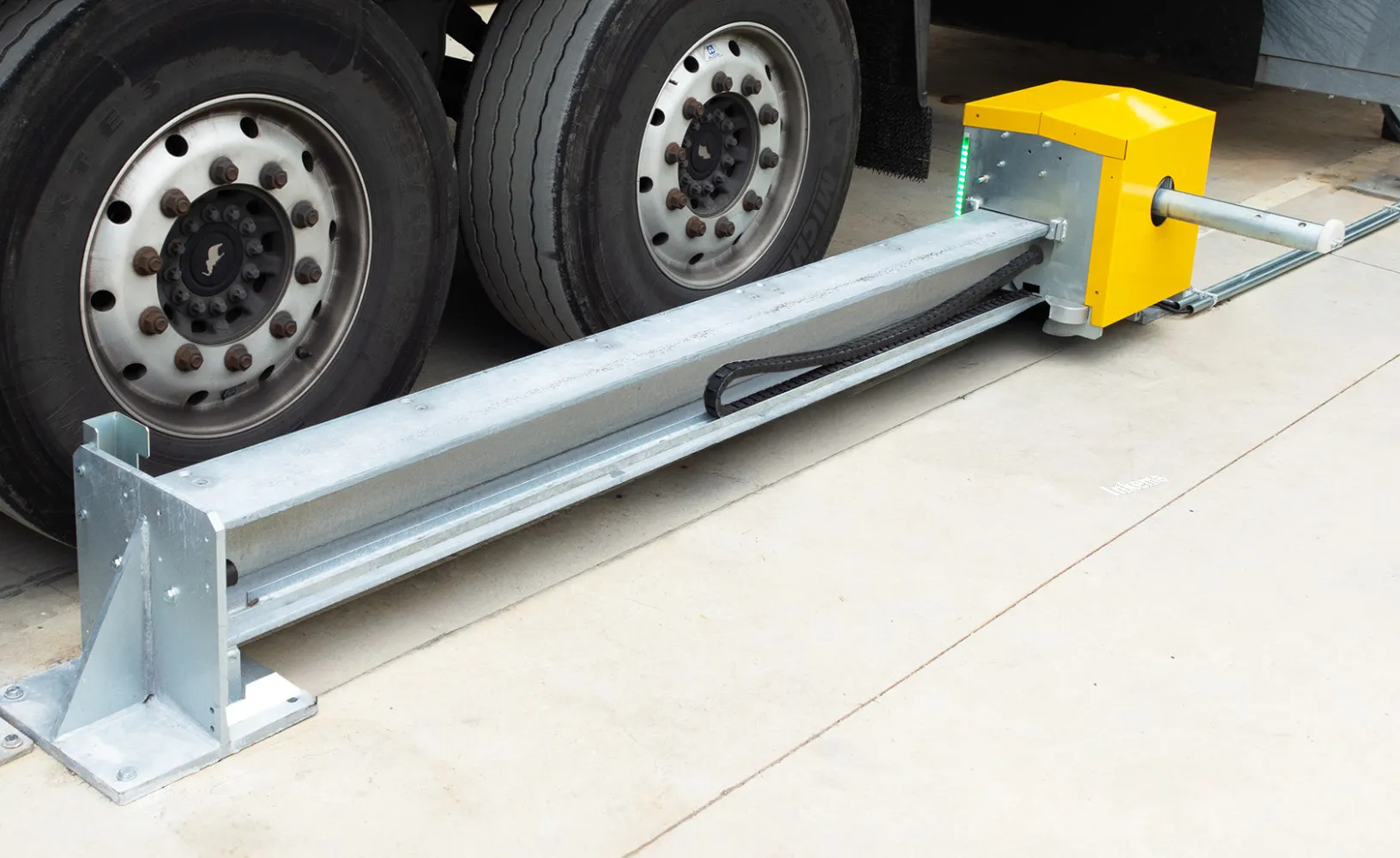
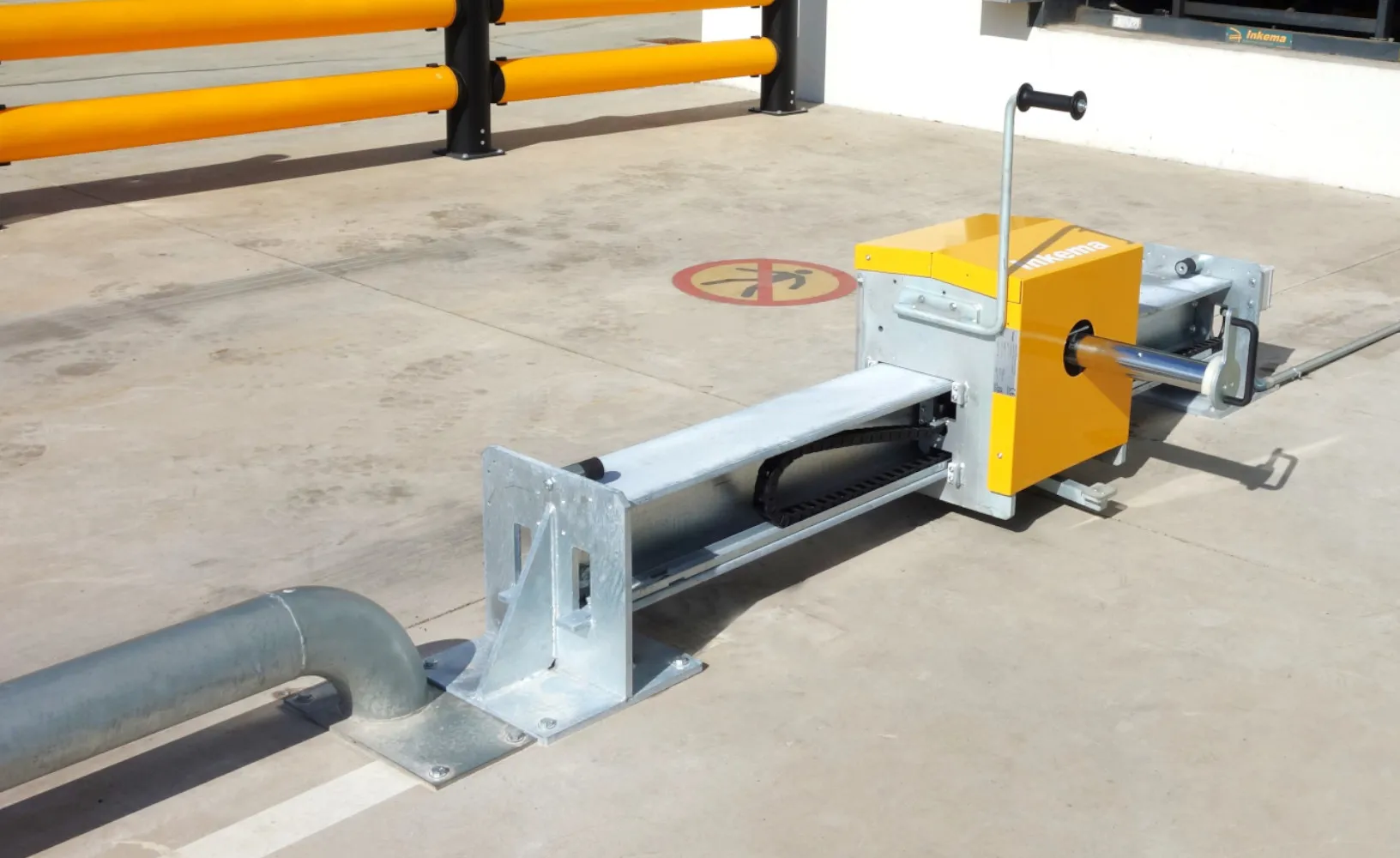
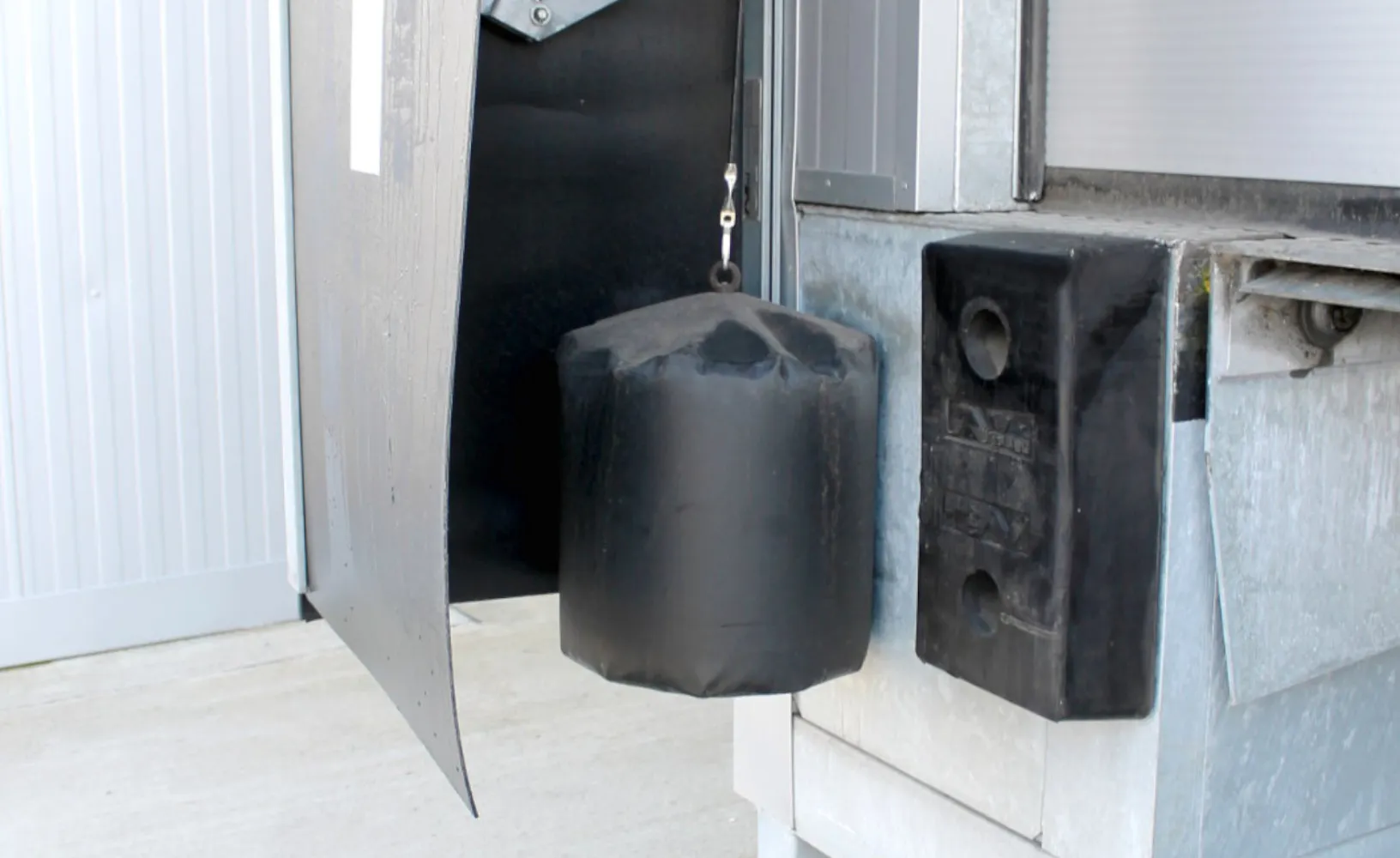
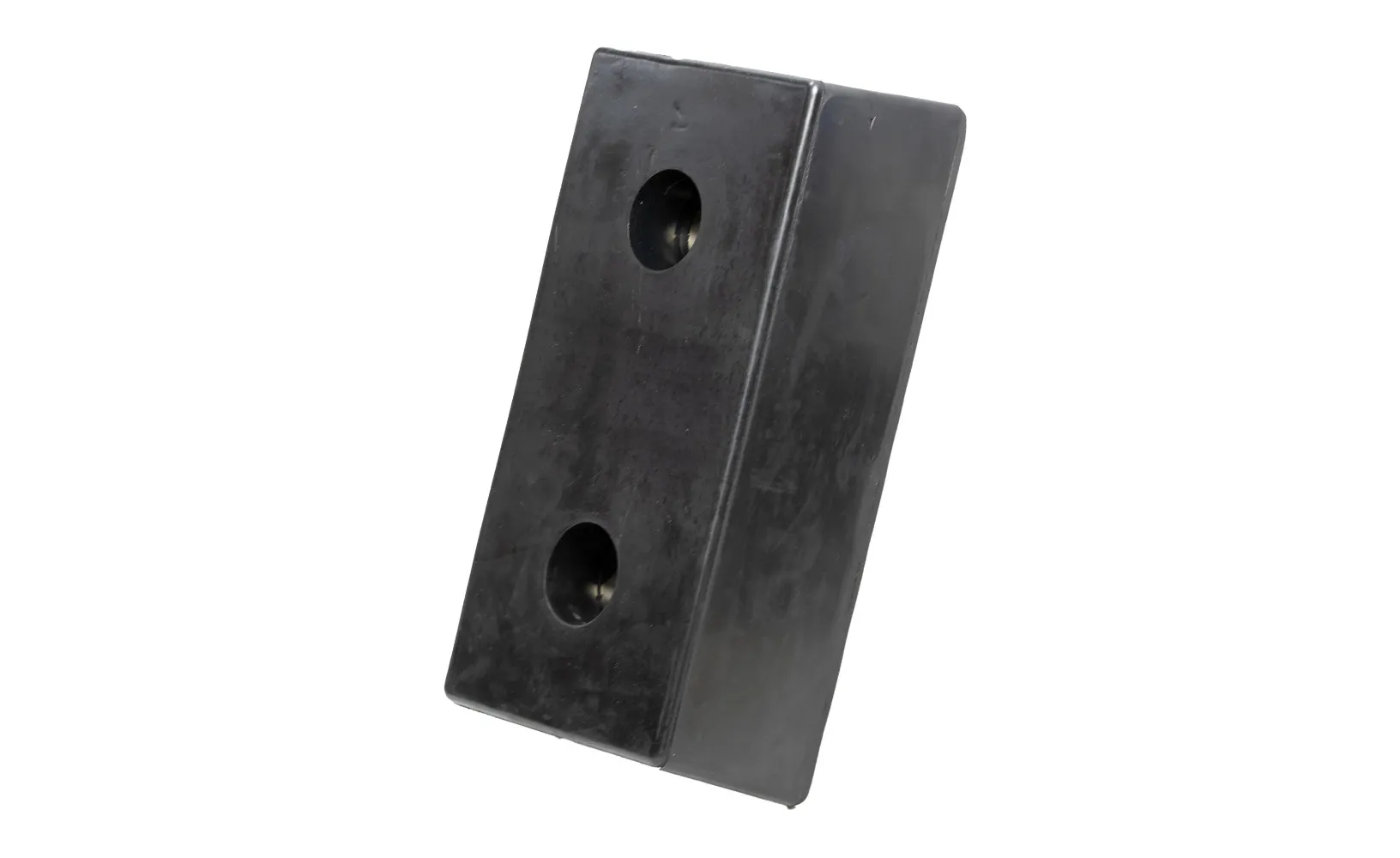
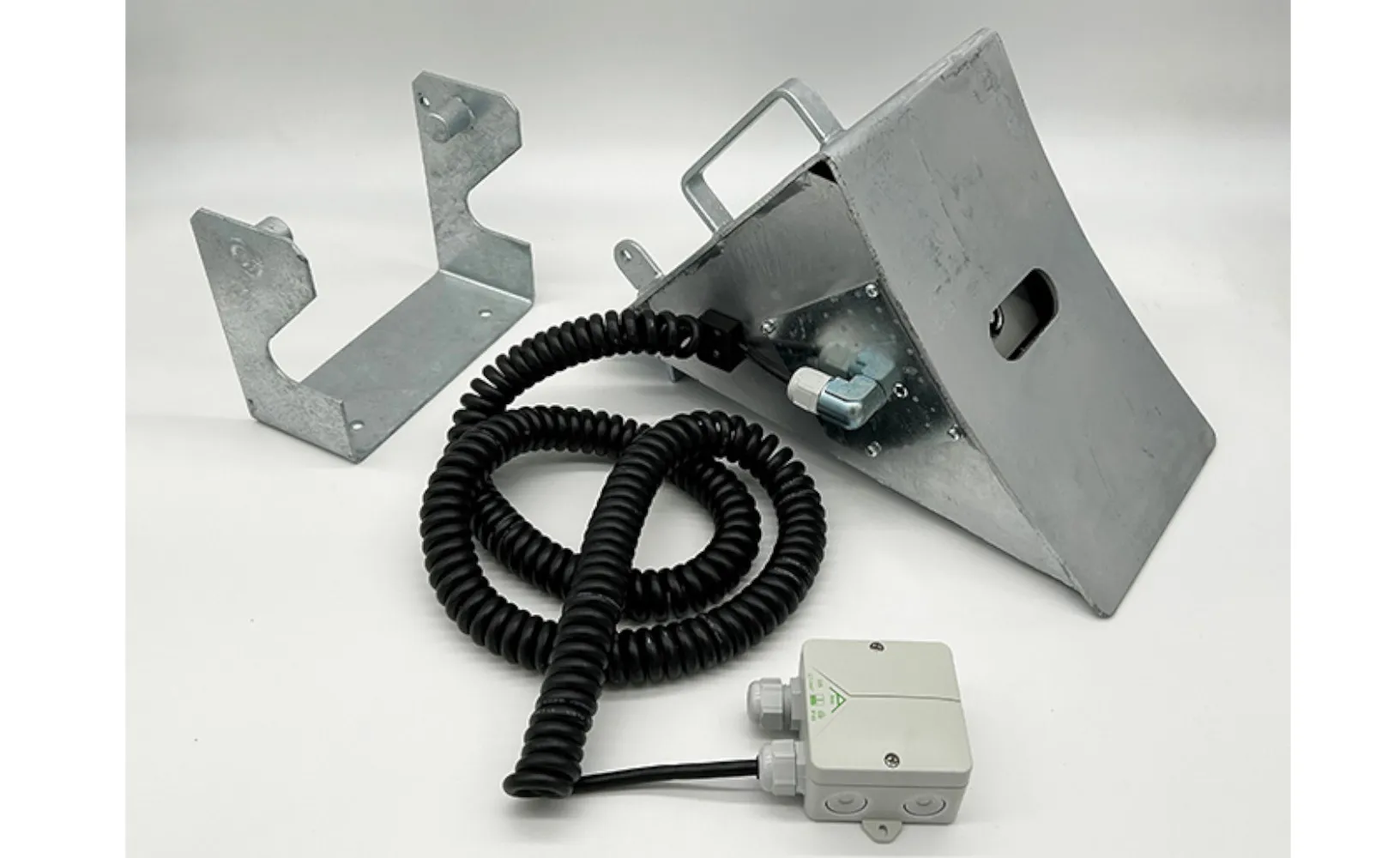
Unlike passive solutions such as wheel chocks or dock bumpers, an automatic truck restraint operates in an integrated and active manner. Once the truck is correctly positioned at the dock, the restraint is no longer estimated by the driver or operator, but executed precisely and with high force—typically via a robust pin or arm that engages behind the tire sidewall or into the wheel rim. Modern systems automatically detect the wheel’s position and size, adjusting the restraint carriage accordingly to ensure optimal, force-fit immobilization. Only after successful restraint confirmation does the system release subsequent process steps—for example, lowering the dock leveler, opening the dock seal, or activating dock lighting. This principle of so-called Safety Interlocking consistently prevents critical loading operations from being carried out without the vehicle being securely immobilized.
Integration into the Dock Safety Workflow
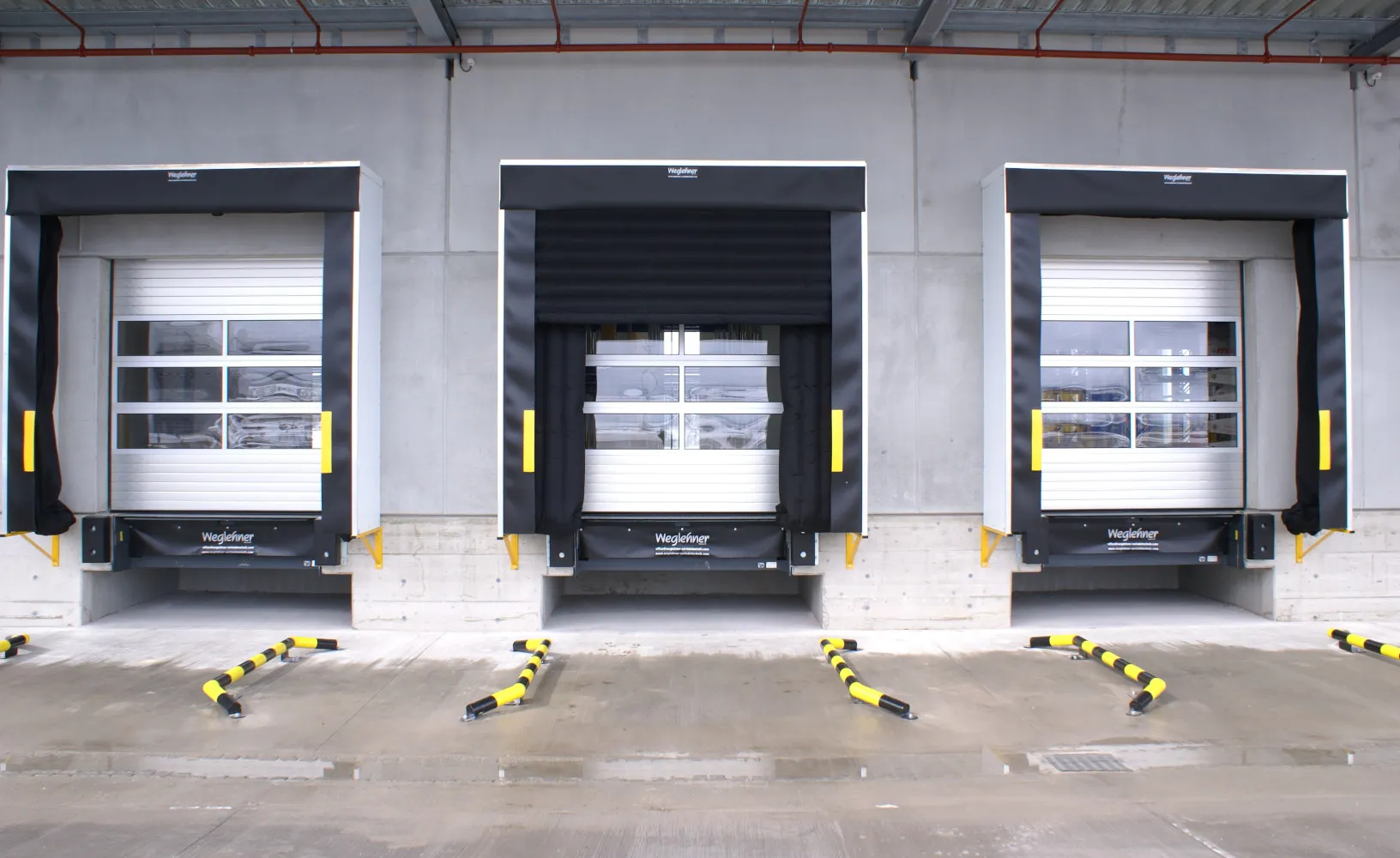
A key advantage lies in the seamless integration of the automatic truck restraint into the overall dock safety workflow. It does not function in isolation, but serves as a central communication node within the dock system: for instance, the dock leveler remains mechanically or electronically locked as long as restraint confirmation is pending. At the same time, clear visual signals—such as multi-colour LED indicators on the restraint arm and control panel—support both drivers and dock personnel in process orientation. Red indicates “Wait—restraint not yet active or unlocking in progress,” while green means “Go—loading/unloading safe to proceed.” This standardized, intuitively understandable communication reduces training effort, minimizes misunderstandings, and significantly increases acceptance in daily operations.
Compliance and Technical Robustness
High-quality systems comply with the Machinery Directive 2006/42/EC and relevant European safety standards, including EN ISO 13857 (safety distances), EN ISO 12100 (risk assessment and design principles), and EN 60204-1 (safety of electrical control systems). Moreover, many solutions adhere to the industry-specific recommendations of FEM 12.008 by the European Federation for Materials Handling—a clear quality indicator for practical suitability in logistics environments. Structurally, these systems are designed for continuous operation under demanding conditions: hot-dip galvanized steel construction, high-strength restraint components, and robust drive technology ensure reliability—even under intensive outdoor use and extreme temperatures, typically ranging from –20 °C to +50 °C.
Compatibility with Common Truck Models
Compatibility with standard vehicles is another key factor for acceptance: the vast majority of automatic truck restraints are designed to work with standardized trucks, tractor units, and semi-trailers from European and international manufacturers. The only requirement is adherence to defined geometric parameters—such as a restraint height of approximately 350 to 400 mm above ground level and a sufficient operating range of the restraint arm. This covers common tire sizes such as 315/70 R22.5 to 385/65 R22.5—the standard tire dimensions used on most commercial logistics vehicles.
Weglehner: Your Partner for Safe Loading Solutions
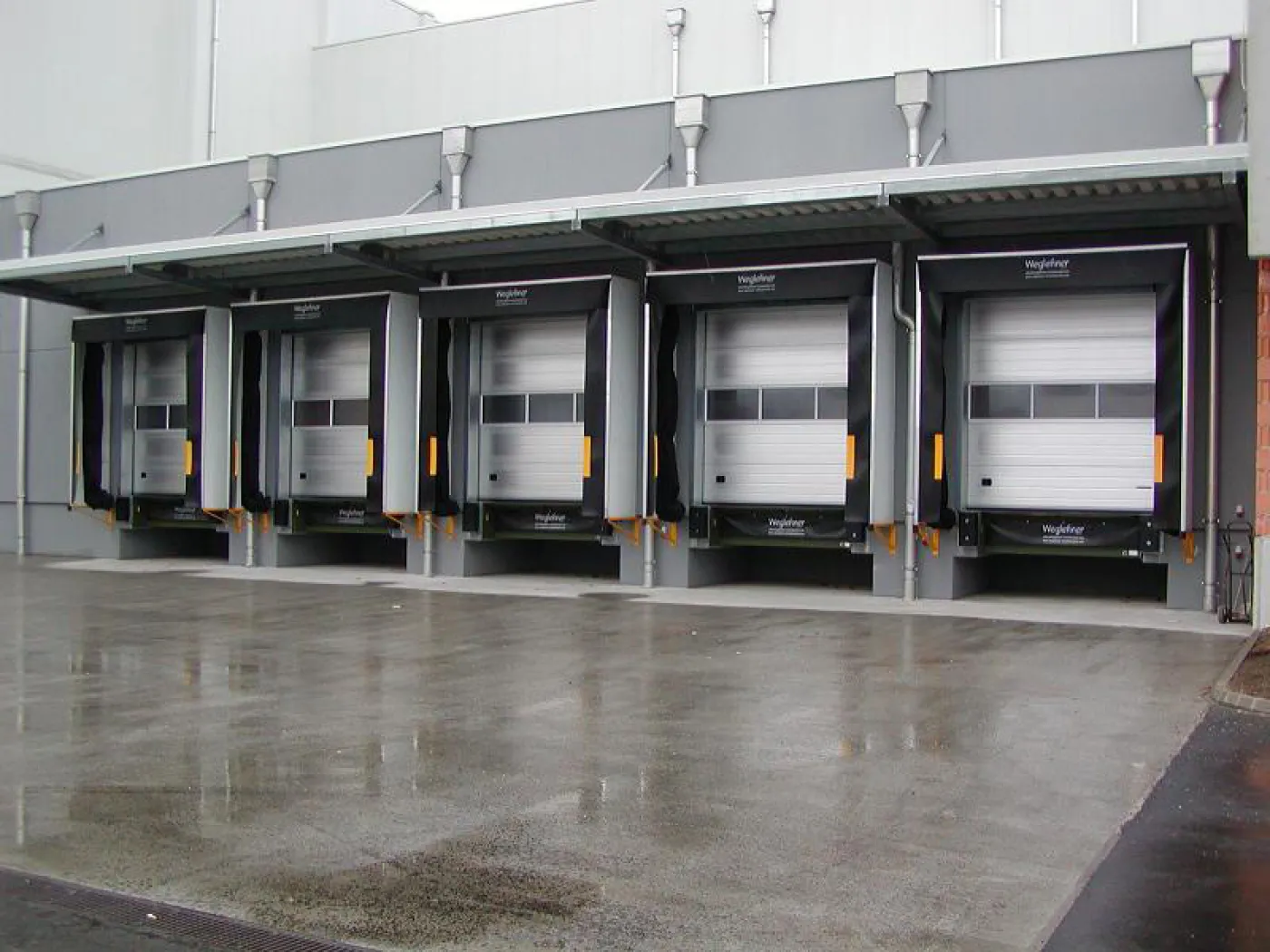
At Weglehner, we offer high-performance, standards-compliant automatic truck restraints from our comprehensive accessories portfolio. As an experienced partner for industrial loading solutions, we support you not only in selecting suitable systems, but also in planning, professional installation, and long-term service—tailored precisely to your existing infrastructure and operational requirements. After all, safe loading doesn’t begin with the forklift operator—it starts the moment the truck arrives at the dock, and ends only when it departs in a fully controlled manner.